
You’ve got tickets. You’ve got team colors. The last boss fight? Where to sleep without torching your budget. Hotels are rigid and pricey; an RV is flexible, affordable, and way more fun. If you’ve never rented one, don’t sweat it—this is your simple, step-by-step playbook.
Step 1: Choose Your Ride (don’t overthink it)
For first-timers, you really have two winners:
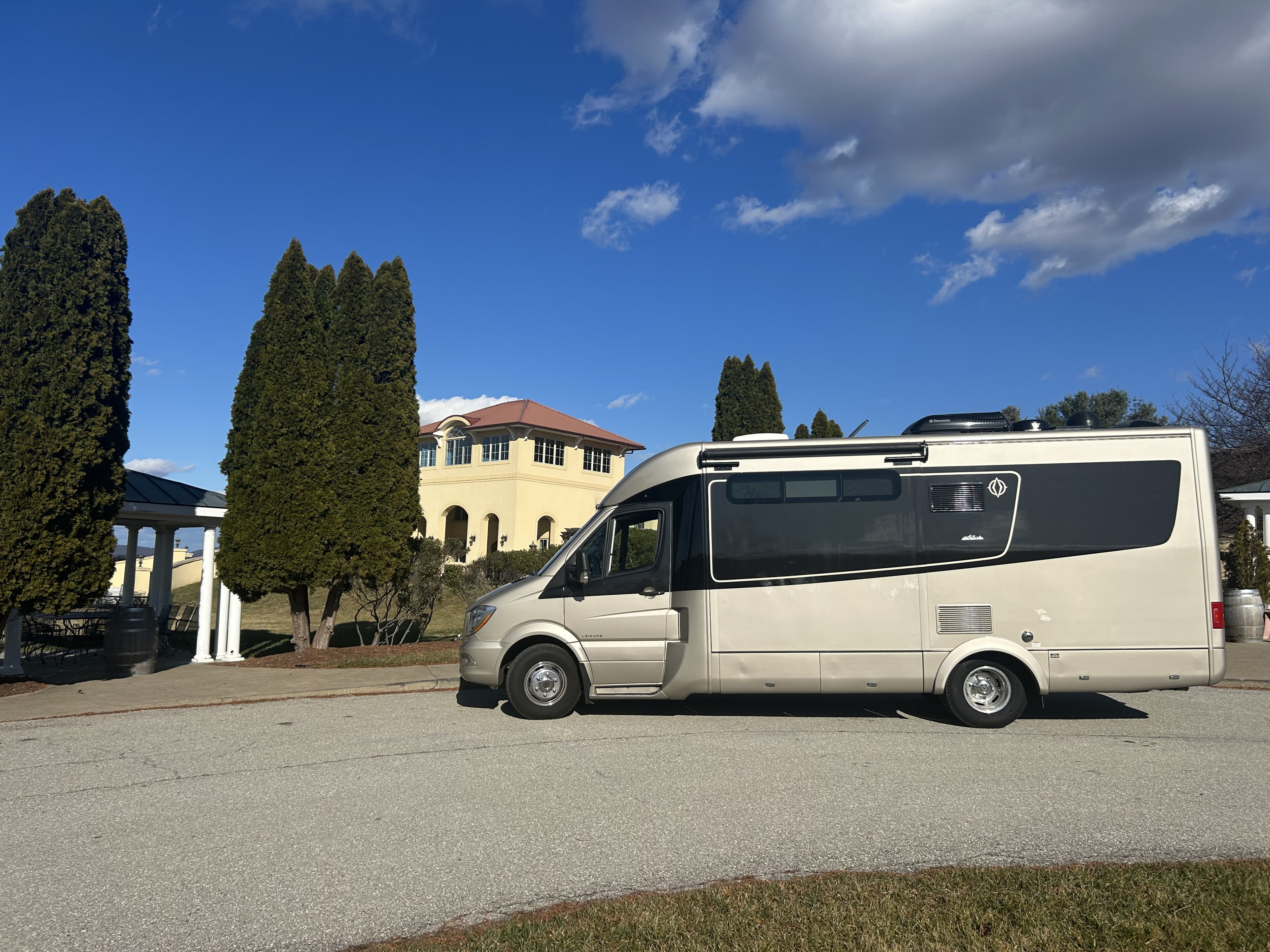
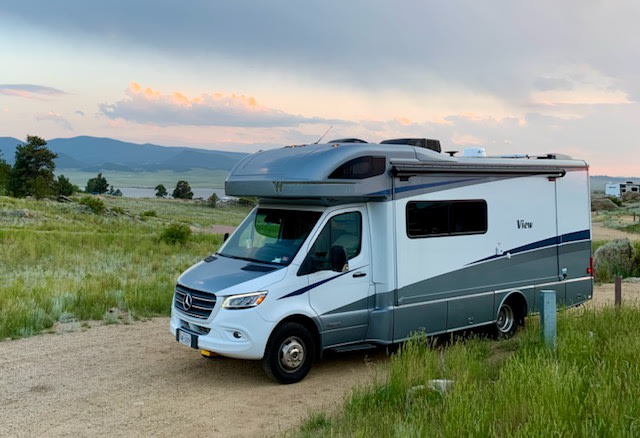
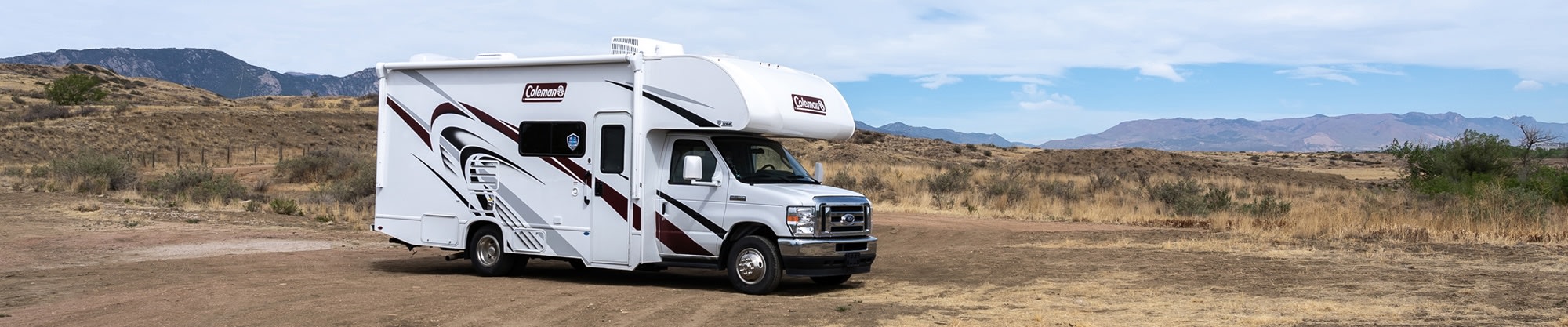
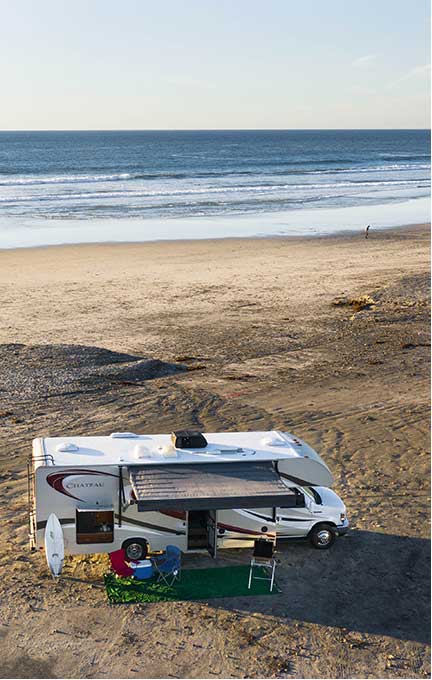
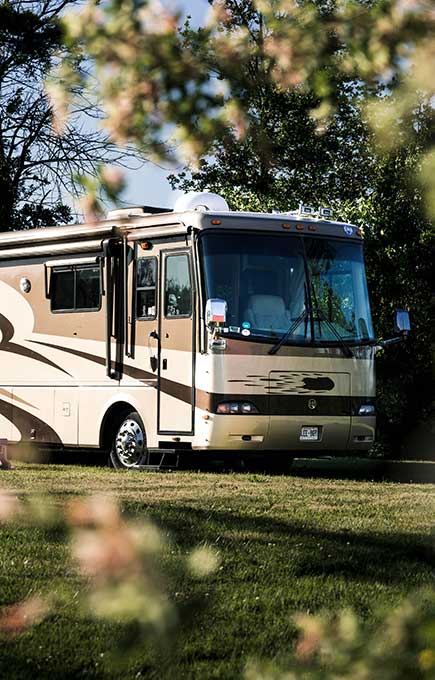
- Class C motorhome: The movie-star RV (van front, living space over the cab). Easy to drive, generous on space, perfect for couples or families. If you can handle a van, you can handle this.
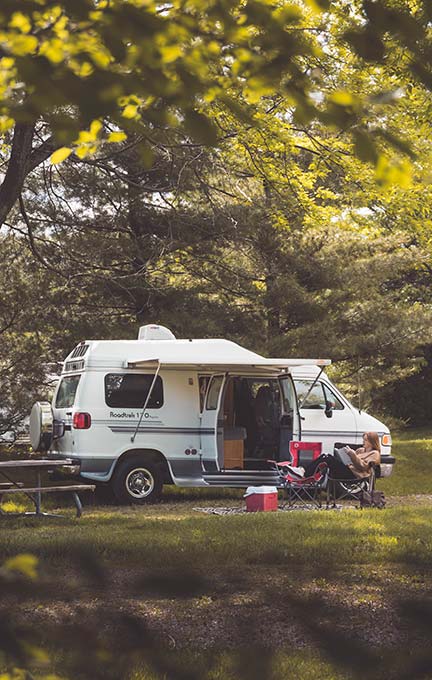
- Campervan / Class B: The nimble option. Great for solo travelers or duos who’ll spend most of the day exploring and just need a comfy crash pad.
First-timer verdict: Go Class C. You’ll appreciate the space and the “I’ve done this before” driving feel.
Step 2: Book It (yes, it’s actually easy)
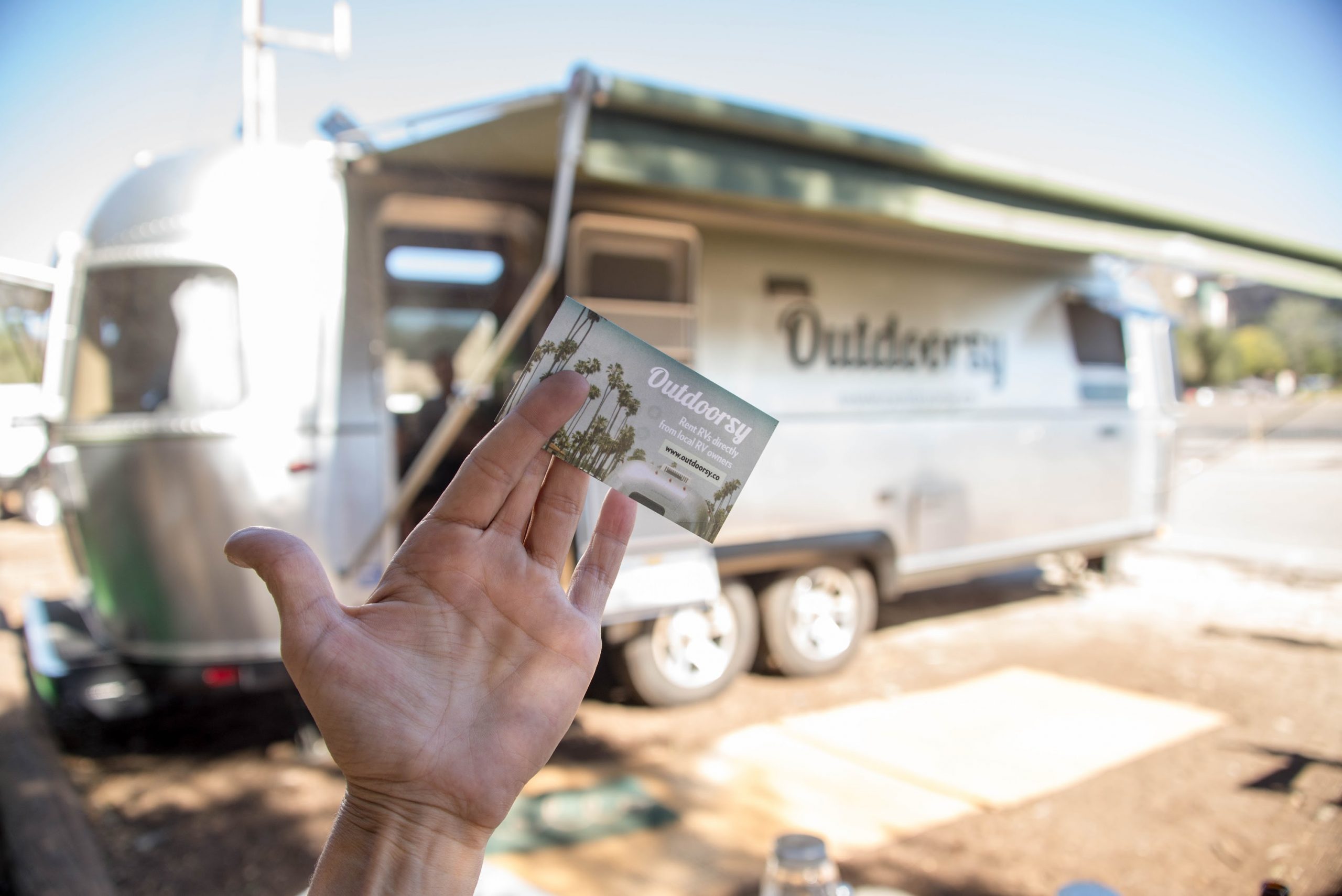
Use a peer-to-peer platform like Outdoorsy:
- Search by city (e.g., “Los Angeles, CA”).
- Set dates & filter to Motorhome → Class C for the best starter options.
- Read reviews (the most important step). Prioritize hosts praised for responsiveness and well-maintained rigs.
- Ask questions in platform chat: “First-timer friendly to drive?” “Do you offer campground delivery?”
- Reserve early. Summer 2026 demand will be wild—book 8–12 months out for price + selection.
If you’re visiting from abroad:
- Driver’s licence: A valid national licence usually works; an International Driving Permit (IDP) is smart backup.
- Insurance: Required—and baked into the booking flow on platforms like Outdoorsy. Easy.
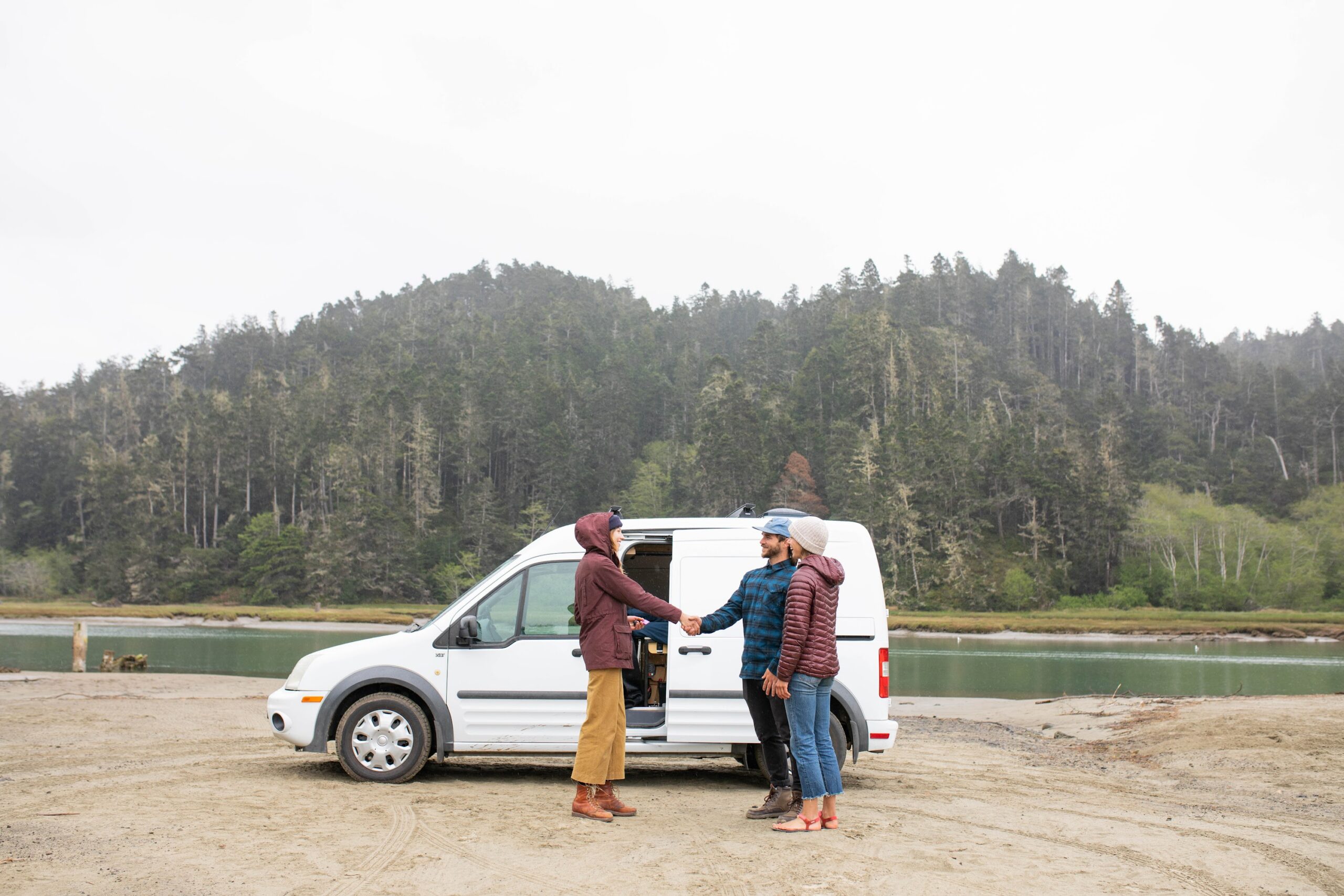
Step 3: Pickup Day = Walkthrough Day (record everything)
Your host will show you how the rig works. Treat this like a mini masterclass:
- Record on your phone while they demo features.
- Learn the Big Three:
- Generator (power when you’re not plugged in).
- Water & sewer tanks (checking levels + where/how to dump—easier than it sounds).
- Slide-outs (extend/retract safely so nothing binds).
- Generator (power when you’re not plugged in).
Rule: Don’t leave until you feel 100% good. No “dumb” questions—only preventable headaches.
Power Move for First-Timers: Delivery
Many hosts will deliver and set up the RV at your campground (for a fee). You rideshare from the airport, walk up to a fully set rig, get your walkthrough on-site, and your vacation starts. For big cities and international arrivals, this is clutch.
Quick-Hit Checklist (save this to Notes)
- ✅ Book RV + campground 8–12 months out
- ✅ Confirm seatbelts and sleeping capacity for your crew
- ✅ Ask about linens, kitchen kits, & camp chairs (included or add-on?)
- ✅ Screenshot dump station locations near your route
- ✅ Learn your rig’s height (tape it to the dash—bridges are unforgiving)
Rookie Mistakes to Avoid
- Winging it on campsites. Summer + mega-event = sold-out campgrounds.
- Ignoring hookup types. “Full hookups” (water/electric/sewer) keep life simple.
- Underestimating size. Give yourself wide turns; check fuel stations for RV-friendly lanes.
- Leaving without a leveling plan. Chocks/levelers = better sleep and happy appliances.
Why this beats a hotel (especially for 2026)
You control costs (nightly rate + campsite + fuel), wake up near the action, cook your own meals, and pivot with the bracket instead of paying change fees. It’s lodging, tailgate, and road-trip magic in one.
Bottom line: Renting an RV for the first time is easier than it looks—and it turns a great soccer trip into an unforgettable one. Lock the rig, book your sites, ask your host a few smart questions, and you’ll be road-ready like a pro.